Postpartum Depression Can Cause Extreme Anxiety And Sadness

Postpartum depression can strike any new mother, no matter what her situation may be. Having a baby is one of the happiest moments in one's life. But sometimes you can become anxious and feel overwhelming sadness to the point you are unable to function.
Some mothers have reported they have been so down, that they have even had persistent thoughts of suicide.
Postpartum depression was one of my anxiety triggers. It is an absolute must to talk to your doctor, friend, or a loved one if you have any of these symptoms listed below. If you have given birth within the last year and have at least five of the symptoms listed, over a two week period, you may be suffering from postpartum depression:
- Sad Mood
- Loss of interest or pleasure in daily activities
- Excessive worry or anxiety
- Short temper or irritability
- Difficulty making decisions or feelings of being overwhelmed
- Fears of harming your baby
- Hopelessness
- Insomnia or sleeping too much
- Feeling your baby would be better off without you
- Significant weight loss or gain
- Physical symptoms- such as headaches, chest pains, or difficulty breathing
- No energy or fatigued
- Agitation
- Loss of feeling toward your baby
- Suicidal thoughts
It is not uncommon to experience postpartum depression. In fact, 1 in 5 new moms has mild to severe postpartum depression. There are a few well known new moms who have suffered from postpartum depression. Brooke Shields, and former first lady of New Jersey, Mary Beth Cody. These women have come forward with their struggles with postpartum depression, and have helped create awareness about this common and very treatable issue.
About 70% to 80% of new moms say they feel anxious, irritable, sad, and overwhelmed in just the first few days after the birth of their baby.
The "baby blues", as I call them, are triggered by hormonal changes following the birth of a baby. These changes usually go away in two weeks or less. However, some mothers noted that, after giving birth, they found they have a much more severe mood disorder.
Researchers say that these women have fluctuating hormones that cause mood-regulating chemicals in the brain to go haywire. Also, postpartum depression can happen at any time within a year after the birth of a baby.
Most moms who feel this way, suffer, and struggle for a long time, because of being fearful to tell anyone, even their doctor. Don't wonder what people might think about you. You are not a bad mother. Don't let these feelings stop you from getting the help you deserve.
Unfortunately, postpartum depression is the most under-diagnosed complication in America. Because your doctor is not a Mental Health professional, he may not be qualified, and have a difficult time making a diagnosis. Most doctors don't know how to tell between an exhausted, overwhelmed new mom, or one who has a more serious condition.
Make sure to ask your doctor questions, and be specific about your symptoms. Come out and ask if he can help you, if not, can he refer you to someone who can? Click here for some tips about what to ask your doctor. Don't hesitate to ask your doctor these questions. Your life and your baby's life is on the line.
The year following the birth of a baby is the most likely time a woman will experience a psychiatric disorder. Women who have had a past depression problem, a family history of mental illness, or have had a substance abuse problem are more vulnerable. Also, women who had a complicated delivery, or an emergency c-section are at higher risk.
Postpartum depression is treatable. Early detection and treatment are key. Depression medication and counseling is a good place to start. Most women respond well to just talk therapy alone.
Photo: PxHere








More Articles
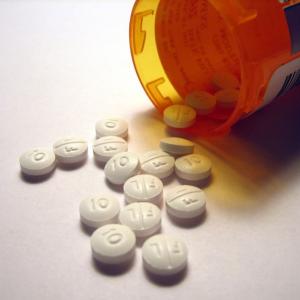
Lexapro is an SSRI antidepressant that is FDA approved for the treatment of generalized anxiety disorder (GAD). It is one of the antidepressants...

By now, everyone knows that exercise improves health on many levels--including mental health as well as physical health. There have been a number...

Sinequan, an antidepressant marketed by Pfizer and known generically as doxepin, is most often used to treat depression, anxiety disorders, and...

All of the little things we do to help ourselves gradually allow us to feel and do better.
If you are prone to anxiety, be attentive to how...

By quieting the mind, we can reduce those thoughts that cause agitation and self-doubt and distract us from the present moment.
A centuries...