Anxiety Medication Overview of Xanax

How should this anxiety medication be used?
Xanax or Alprazolam, comes as a tablet to take by mouth. It usually is taken two or three times a day and may be taken with or without food. Follow the directions on your prescription label carefully, and ask your doctor or pharmacist to explain any part you do not understand. Take alprazolam exactly as directed.
Alprazolam can be habit-forming. Do not take a larger dose, take it more often, or for a longer time than your doctor tells you to. Do not take alprazolam for more than 4 months or stop taking this medication without talking to your doctor. Stopping this drug suddenly can worsen your condition and cause withdrawal symptoms (anxiousness, sleeplessness, irritability, and seizure). Withdrawal symptoms may be worse if you take more than 4 mg of alprazolam every day. Your doctor probably will decrease your dose gradually.
What special precautions should I follow?
Tell your doctor and pharmacist if you are allergic to alprazolam, chlordiazepoxide (Librium, Librax), clonazepam (Klonopin), clorazepate (Tranxene), diazepam (Valium), estazolam (ProSom), flurazepam (Dalmane), lorazepam ( Ativan), oxazepam (Serax), prazepam (Centrax), temazepam (Restoril), triazolam (Halcion), or any other drugs.
Tell your doctor and pharmacist what prescription and nonprescription medications you are taking, especially amiodarone (Cordarone, Pacerone); antihistamines; cimetidine (Tagamet); clarithromycin (Biaxin); cyclosporine (Neoral, Sandimmune); digoxin (Lanoxin); diltiazem (Cardizem, Dilacor, Tiazac); disulfiram (Antabuse); ergotamine (Cafatine, Cafergot, Wigraine, others); erythromycin (Erythrocin); fluoxetine (Prozac); fluvoxamine (Luvox); isoniazid (INH, Laniazid, Nydrazid); itraconazole (Sporanox); ketoconazole (Nizoral); levodopa (Larodopa, Sinemet); medications for depression, seizures, Parkinson's disease, pain, asthma, colds, or allergies; metoprolol (Lopressor, Toprol XL); muscle relaxants; nefazodone (Serzone); nicardipine (Cardene); nifedipine (Adalat, Procardia); oral contraceptives; phenytoin (Dilantin); probenecid (Benemid); propoxyphene (Darvon); propranolol (Inderal); rifampin (Rifadin); sedatives; sleeping pills; theophylline (Theo-Dur); tranquilizers; valproic acid (Depakene, Depakote); and vitamins.
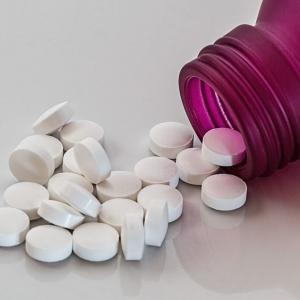
Photo: Pixabay







More Articles

Social Anxiety Disorder, sometimes called Social Phobia or SAD, involves anxiety and an overwhelming constant self-consciousness in everyday...

Why is this medication prescribed?
Prozac or Fluoxetine is an antidepressant (mood elevator) and is used to treat depression, obsessive-...

Agoraphobia is a disorder that develops when a person begins to avoid situations associated with anxiety. It arises from an anxiety condition that...

Living with anxiety is no easy task; being able to reduce and control your anxiety makes handling the disorder easier. Whether or not the...

Advil is one of several marketing brand names for the widely used non-steroidal anti-inflammatory drug (NSAID) commonly known as ibuprofen.
...